A deep dive into the science, benefits, and best ways to use lemon balm for natural stress relief.
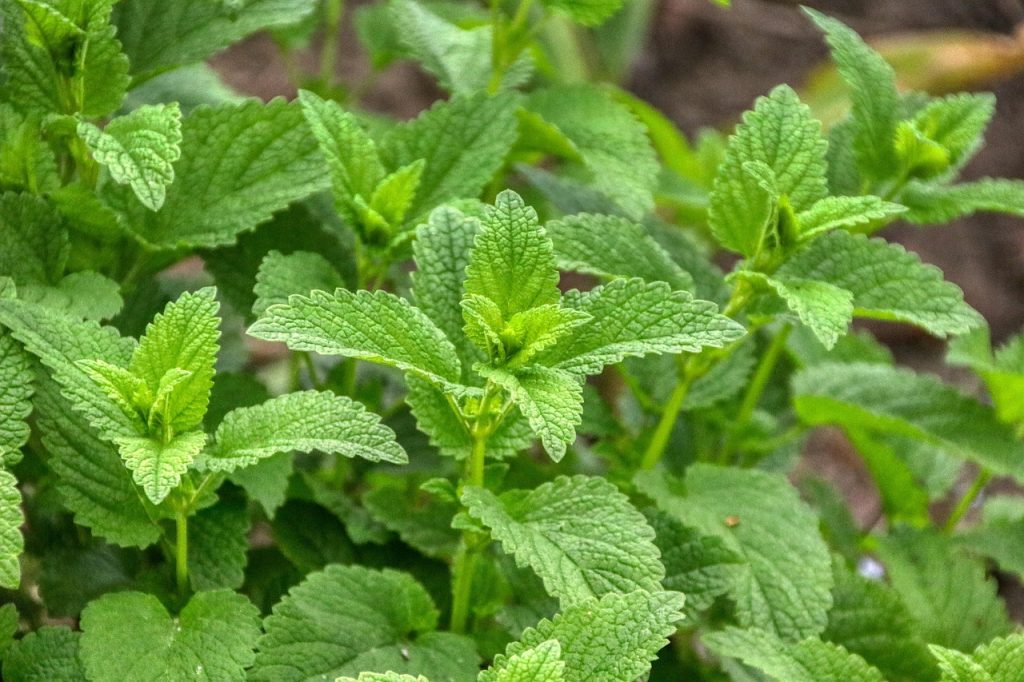
In a world that often feels like it’s moving a million miles an hour, the search for natural calm is more popular than ever. While modern life presents unique stressors, humans have been turning to nature for relief for thousands of years. One of the most beloved and well-researched herbs for this purpose is Lemon Balm (Melissa officinalis).
With its bright, lemony scent and gentle soothing properties, lemon balm has been used since the Middle Ages to reduce stress, uplift the spirit, and promote restful sleep. But does it actually work by modern scientific standards? For anyone feeling the weight of daily anxiety, understanding why this herb is so effective requires a closer look at its interaction with the human brain and body.
🌿 What Makes Lemon Balm a Natural Calming Agent?
Lemon balm’s therapeutic magic lies in its complex chemistry. The herb contains a variety of active compounds, including terpenes, flavonoids, and phenolic acids most notably, rosmarinic acid.
Here is how these compounds work to soothe your nervous system:
- Neurotransmitter Regulation: Research suggests that lemon balm extracts can influence neurotransmitters, the brain’s chemical messengers. Specifically, it may inhibit the enzyme GABA transaminase, which breaks down GABA (gamma-aminobutyric acid) . GABA is your brain’s primary “brake” neurotransmitter; it calms nerve firing. By keeping GABA levels higher, lemon balm helps induce a state of relaxation.
- Acetylcholine Modulation: Compounds in lemon balm also interact with nicotinic and muscarinic receptors in the brain, which are involved in mood and cognitive function. This dual action is why some studies show lemon balm can not only reduce stress but also improve calm focus and memory.
- Antioxidant Protection: Chronic stress creates oxidative damage in the body. The high concentration of antioxidants (like rosmarinic acid) in lemon balm helps protect your brain cells from this type of damage, supporting long-term mental wellness.
📊 What Does the Science Say?
While traditional use is a powerful indicator, modern clinical studies back up the hype. Here is a snapshot of what researchers have discovered about lemon balm’s effects on anxiety and stress:
- Mood and Cognitive Performance: A randomized, placebo-controlled, double-blind study found that participants who took standardized lemon balm extracts reported increased calmness and reduced alertness (a reduction in the “fight or flight” feeling) compared to those who took a placebo. Interestingly, it also improved mathematical processing speed, suggesting it quiets anxiety without necessarily “dumbing you down.”
- Stress Reduction in Controlled Settings: Another study exposed volunteers to highly stressful laboratory conditions (public speaking and math tests) after they had taken lemon balm. The results showed that those who had taken the herb experienced significantly reduced subjective stress levels and performed better on the tasks.
- Sleep and Anxiety Relief: Because anxiety often disrupts sleep, lemon balm is frequently studied for its sedative properties. A combination of lemon balm and valerian root has been shown to significantly improve sleep quality in individuals suffering from restlessness and insomnia.
In short, lemon balm has been shown to:
- Reduce stress responses during high-pressure situations.
- Support a calm mood without causing drowsiness (in moderate doses).
- Promote relaxation and improve sleep quality.
🍵 Best Ways to Use Lemon Balm for Stress Relief
Because of its versatility, lemon balm can be easily integrated into your daily routine. The best method often depends on how quickly you need relief and how you prefer to take your herbs.
1. Lemon Balm Tea (The Classic)
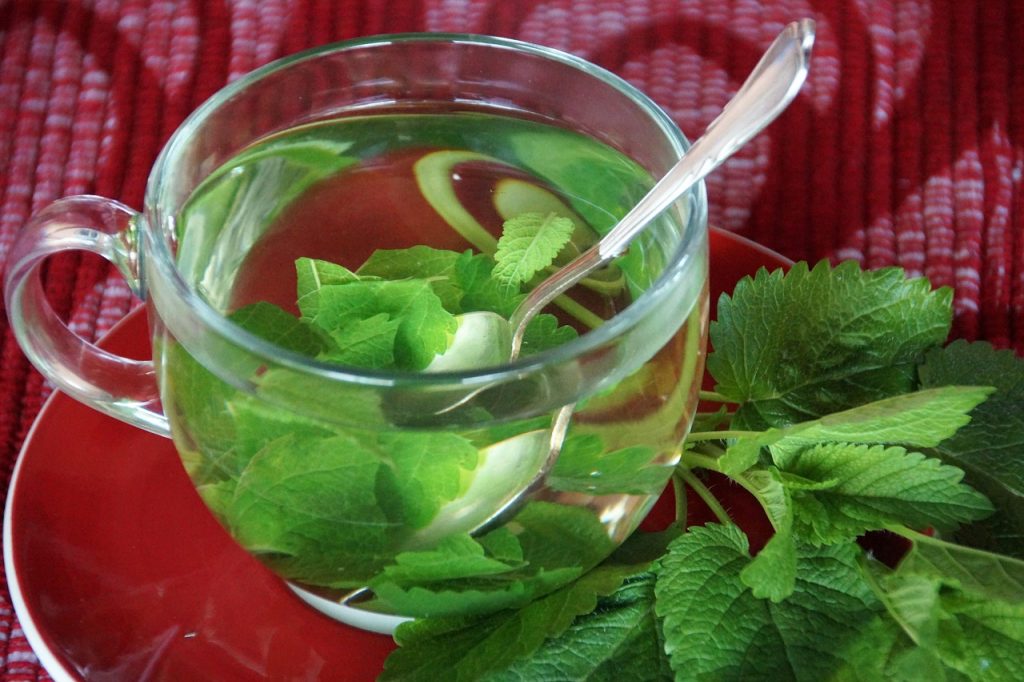
This is the most traditional, gentle, and ritualistic way to consume the herb. Sipping a warm cup of tea forces you to take a moment of pause, enhancing the herb’s calming effects.
- How to: Steep 1.5 to 3 grams of dried lemon balm leaf in hot water for 5 to 10 minutes. Cover the cup while steeping to trap the volatile oils (the calming compounds).
2. Herbal Tinctures (Fast-Acting)
A tincture is a concentrated liquid extract (usually alcohol-based). It is absorbed quickly under the tongue, making it ideal for acute anxiety or panic moments.
- How to: Use according to the manufacturer’s dosage (usually 20-40 drops) in a small amount of water or directly under the tongue.
3. Capsules/Supplements (Consistent Support)
For those who don’t enjoy the taste of herbs, capsules offer a standardized dose. This is great for managing generalized anxiety on a daily basis.
- How to: Look for brands that specify the amount of rosmarinic acid or use organic lemon balm leaf.
4. Aromatherapy & Essential Oil
Just smelling lemon balm can have a calming effect on the limbic system (the emotional center of the brain).
- How to: Diffuse lemon balm essential oil in your home or add a few drops to a bath with Epsom salts.
🌸 Synergy: Combining Lemon Balm with Other Calming Herbs
Herbalists rarely work with just one herb; they often create “formulations” to address different aspects of a problem. Lemon balm plays well with others. Combining herbs can create a synergistic effect, where the total calming impact is greater than the sum of its parts.
| Herb | Primary Action | Why Combine with Lemon Balm? |
|---|---|---|
| Chamomile | Mild sedative, soothes digestive upset | Enhances relaxation and is great for evening use. |
| Lavender | Calms nervous tension, improves mood | The scent alone lowers anxiety; complements lemon balm’s effects. |
| Valerian Root | Strong sedative, promotes deep sleep | Perfect for nighttime blends to combat insomnia caused by anxiety. |
| Passionflower | Increases GABA levels, reduces restlessness | Works on similar brain pathways as lemon balm for added potency. |
⚖️ Safety, Dosage, and Considerations
Lemon balm is generally recognized as safe (GRAS) for culinary and medicinal use. However, to get the best results, keep the following in mind:
- Dosage: For tea, 1.5 to 4.5 grams per day is common. For extracts, follow the label, but doses typically range from 300mg to 600mg taken before stressful events.
- Side Effects: It is very well-tolerated, but some people may experience mild nausea or dizziness at very high doses.
- Thyroid Considerations: There is some evidence that lemon balm may inhibit thyroid hormone absorption. If you have a thyroid condition (like Hashimoto’s or Graves’) or are taking thyroid medication, consult your healthcare provider before using it regularly.
- Pregnancy & Nursing: While it is safe in food amounts, high doses are not recommended during pregnancy due to a lack of conclusive safety data. Consult your doctor.
- Sedation: While low doses are uplifting, high doses can cause drowsiness. Do not drive or operate heavy machinery until you know how it affects you.
🌿 Final Thoughts: A Gentle Ally for Modern Times
Lemon balm is not a magic bullet for curing clinically diagnosed anxiety disorders, nor should it replace professional medical advice or therapy. However, as a gentle, effective, and time-tested herbal ally, it holds immense value.
For the millions of people dealing with the everyday stressors of modern life—work pressure, information overload, and general restlessness—lemon balm offers a safe bridge back to balance. Whether sipped as a tea during a hectic afternoon or taken as a tincture to quell pre-meeting nerves, this humble herb proves that sometimes, the best medicine is the one that grows right outside our door.