
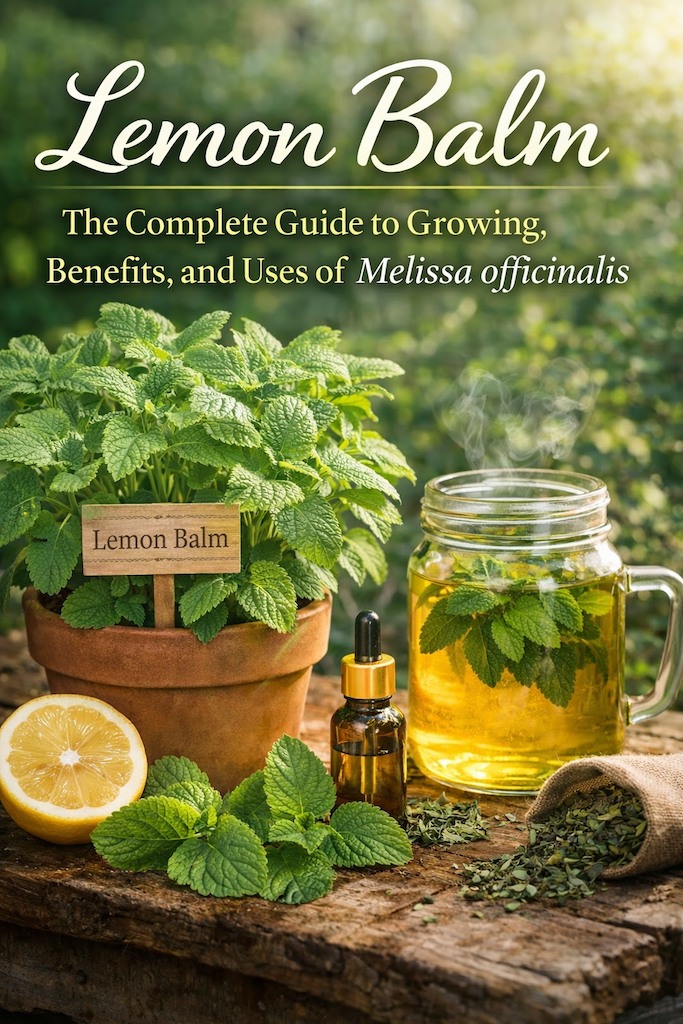
Discover the power of lemon balm (Melissa officinalis). Learn how to grow this vigorous perennial, its top health benefits for stress and sleep, uses in the kitchen, and proper dosage.
In the world of medicinal herbs, few plants are as versatile, easy to grow, and historically rich as lemon balm. With its bright green, wrinkled leaves and a scent that perfectly blends lemon and mint, this herb has been a staple in gardens and apothecaries for over 2,000 years.
Whether you are looking to calm an anxious mind, soothe an upset stomach, attract pollinators to your garden, or simply enjoy a refreshing cup of tea, lemon balm (Melissa officinalis) is the plant for you. This guide covers everything from planting to pharmacology, helping you make the most of this “elixir of life.”
What is Lemon Balm? A Botanical Overview
Lemon balm is a clump-forming, herbaceous perennial belonging to the mint (Lamiaceae) family . Its scientific name, Melissa officinalis, tells us a lot about the plant. Melissa is the Greek word for “honeybee,” a testament to how strongly bees are attracted to its small, nectar-rich white flowers . Officinalis indicates its long history as a medicinal herb in official apothecaries.
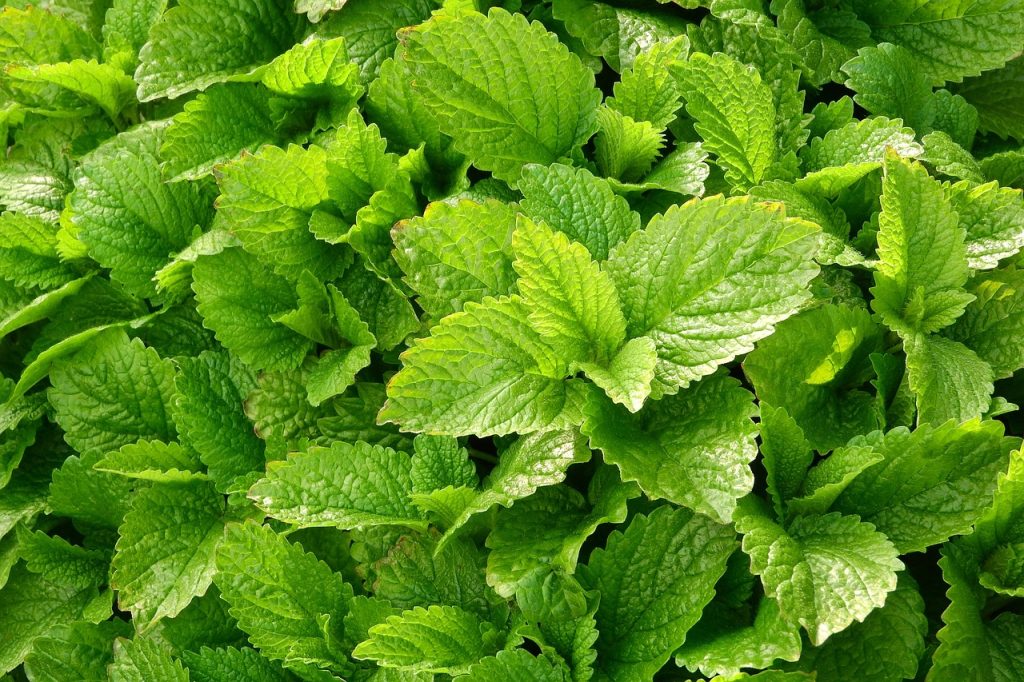
- Description: It typically grows to a height of 2 to 3 feet, with ovate, heart-shaped leaves that are deeply veined and have scalloped edges. When crushed, the leaves release a powerful, pleasant lemon aroma due to its essential oils.
- Origin: Native to Southern Europe and the Mediterranean region, it has since naturalized across much of North America and Asia.
It is important to note that lemon balm should not be confused with bee balm (genus Monarda), which is a different plant altogether.
How to Grow Lemon Balm
If there is one thing gardeners agree on, it is that lemon balm is incredibly easy to grow sometimes too easy. It is a vigorous plant that can spread aggressively if left unchecked. Here is how to manage it.
Planting
- When to Sow: Seeds can be sown indoors in early spring or directly outdoors from late spring to early summer.
- Where to Plant: Choose a spot in full sun or partial shade. The plants will tolerate a wide range of soil types, from poor rocky soil to rich loam, as long as it is well-drained.
- Containment Strategy: Because lemon balm spreads by both seeds and creeping roots (rhizomes), it is highly recommended to grow it in a container to prevent it from taking over your garden.
Care and Maintenance
- Watering: While drought-tolerant once established, lemon balm prefers consistently moist soil. Water container plants regularly.
- Pruning: To maintain a bushy plant and prevent self-seeding, cut it back hard after the flowers fade. You can also cut it back to ground level in the autumn.
- Propagation: The easiest way to propagate is by dividing large clumps in the spring or autumn. It also roots readily from cuttings placed in water .
- Pests: It is generally robust but can occasionally suffer from powdery mildew or be visited by leafhoppers .
Health Benefits of Lemon Balm
Modern research is catching up to what herbalists have known for centuries. The active compounds in lemon balm including powerful polyphenols like rosmarinic acid, flavonoids, and volatile oils like citronellal and geranial are responsible for its therapeutic effects.
1. Stress, Anxiety, and Mood
Lemon balm is perhaps best known for its calming effects on the nervous system.
- Mood and Calmness: Clinical studies have shown that single doses of lemon balm extract can increase calmness and improve mathematical processing speed. However, the dosage is key; while 300mg-600mg may boost alertness and calmness, a very high dose (1600mg) might paradoxically reduce alertness.
- Anxiety and Depression: A systematic review and meta-analysis found that lemon balm supplementation resulted in significantly lower anxiety and depression scores compared to placebos, particularly in cases of acute (short-term) stress.
2. Sleep and Insomnia
Thanks to its relaxing properties, lemon balm is a popular remedy for sleep disorders. It is often combined with valerian for enhanced effect. In one study, women suffering from sleep disturbances during menopause experienced significant improvement in sleep quality after taking a combination of 80 mg lemon balm and 160 mg valerian extract daily for one month.
3. Cold Sores (Herpes Simplex)
Topical application is one of the most well-researched uses for lemon balm. Placebo-controlled trials have shown that applying a 1% lemon balm cream to herpes virus lesions (cold sores) several times a day can significantly improve symptoms and speed up healing.
4. Digestive Health
Traditionally used as a carminative (to relieve gas), lemon balm can help soothe the digestive tract. Its essential oil has been shown to reduce the contractility of intestinal tissue in animal models, suggesting it can help with cramps and discomfort. It is also a common ingredient in natural remedies for infant colic.
5. Heart Health
Preliminary research suggests benefits for cardiovascular health. A double-blind study in adults with borderline high cholesterol found that taking 500 mg of lemon balm leaf powder three times daily for two months led to a significant reduction in LDL (“bad”) cholesterol compared to a placebo.
6. Cognitive Function
In research involving patients with mild to moderate Alzheimer’s disease, lemon balm extract showed promise in improving cognitive function and reducing agitation, although results are mixed and further research is needed.
How to Use and Dose Lemon Balm
Lemon balm can be used in various forms depending on the desired effect.
For Tea (Most Common)
- Method: Steep 2 tablespoons of fresh leaves (or 1 tablespoon of dried leaves) in one cup of boiling water. Cover and steep for 5 to 10 minutes.
- Flavoring: Enhance the flavor with a slice of lemon and a teaspoon of honey.
For Cold Sores
- Method: Apply a cream standardized to contain 1% lemon balm extract directly to the lesion 2 to 4 times daily.
For Sleep and Stress (Internal Use)
- Standard Dosage: Crude herb is typically dosed at 1.5 to 4.5 grams per day. For extracts, dosages of 300mg to 600mg taken once or twice daily are common.
- Combination: Look for supplements that combine lemon balm with valerian for sleep support.
In the Kitchen
Beyond medicine, lemon balm is a wonderful culinary herb. Use the fresh leaves to:
- Flavor salads, fruit salads, and desserts.
- Make a fragrant pesto.
- Infuse lemon balm into butter, vinegar, or cocktails (it is excellent in a mojito).
Safety, Side Effects, and Considerations
Lemon balm has an excellent safety profile.
- Adverse Reactions: Clinical trials generally report no adverse reactions when used at recommended dosages.
- Pregnancy and Breastfeeding: There is not enough reliable information about the safety of using lemon balm in medicinal amounts during pregnancy or breastfeeding, so it is best to stick to food amounts or avoid it.
- Interactions: Lemon balm may interact with thyroid medications (as it may interfere with thyroid hormone absorption) and sedatives. It is theoretically possible that it could amplify the effects of sedative drugs.
- Toxicity: Research reveals little to no evidence of toxicity with the use of this product.
Conclusion
Lemon balm is a true gift from nature. It is a plant that calms the mind, heals the skin, delights the taste buds, and feeds the bees—all while asking for very little in return. Whether you plant it in a pot on your balcony or use its extract to find a moment of peace in a busy day, Melissa officinalis is a worthy addition to any natural lifestyle.
Disclaimer: This article is for informational purposes only and is not a substitute for professional medical advice. Always consult with your doctor before starting any new herbal supplement or treatment.



Lemon Balm has so many benefits and can be used in so many ways. Plus, it’s easy to grow.
Thanks for this helpful guide.
Growing Lemon balm has become a passion of mine. It’s so easy to maintain and each year it comes back with even more plants. I have been giving them to my friends and family, and they love it too. Lemon balm is very versatile and works with may recipes in addition to being an amazing tea.
My Lemon Balm grows everywhere in my garden! It’s super easy to grow in the right conditions
Lemon balm is such an underrated herb! I’ve been using it for a few months now, mainly as a tea before bed, and it’s made a noticeable difference in my sleep quality and anxiety levels. It has a mild, calming effect without making me feel drowsy the next day. I also love that it can help with occasional digestive discomfort, especially after heavy meals. One tip: if you’re growing it, keep it in a pot unless you want it to take over your garden. It spreads fast! Just be aware it can interact with thyroid medication and sedatives, so check with your doctor if you’re on anything. Overall, highly recommend for natural stress relief and better rest.